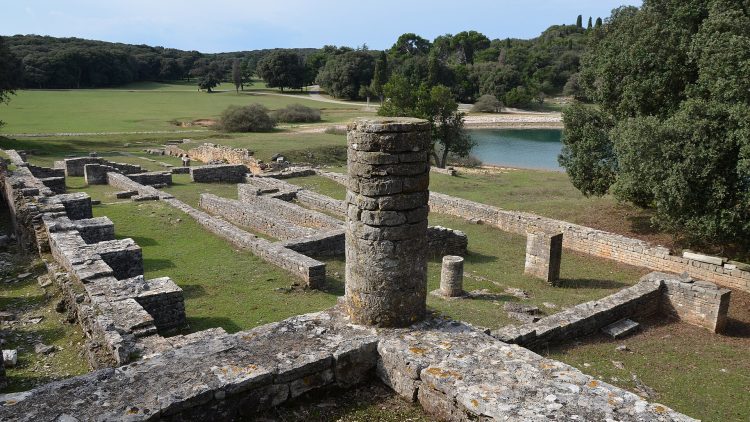
The Brijuni Archipelago, embracing a clutch of 14 pretty island jewels collected near the southeastern coast of the Istrian Peninsula, is both contemporary resort and historic preserve. Ancient ruins reflecting early Roman villas, a Byzantine palace, a 13th century church of the Knights Templar, and Bronze Age hill forts compete for attention alongside an exclusive star-studded resort turned Presidential summer retreat, graced with abundant flora and fauna. The Romans initially settled in the Brijuni because of its valuable quarries, transporting the stone back to Italy for buildings and works of art. The Middle Ages brought rule by the Venetians, followed by a brief Napoleanic era. Next, the Austrian Empire built a fortress on Veliki. A Viennese businessman bought the entire archipelago in the 1800s, turning it into a health destination for wealthy Austrians. Italy took control after WWI, but the successors could not navigate the difficult economic conditions following the 1929 stock market crash, resulting in bankruptcy. Under Yugoslavian rule between 1949 and 1979, President Marshall Tito made the Brijuni his personal summer estate. The islands became a National Park upon Tito’s death, and with Croatia’s independence in 1991, the grand Austrian era hotels were reopened as the destination transformed into an International Conference Center. Today, many visitors come for ecological holidays, either sailing their own boat into the marina, or engaging a tour for the trip. Protected for more than a century, the waters and landscapes remain pristine and untouched, making this a fabulous destination for enjoying a swim, a hike, or a photo shoot.
Top Attractions and Activities in Brijuni
-
Brijuni National Park – A stunning archipelago of 14 islands known for pristine nature, archaeological sites, and beautiful Adriatic landscapes. The park is accessed by boat from Fažana.
-
Veliki Brijun Safari Park – Unique safari park with animals such as zebras, llamas, and elephants gifted to former Yugoslav leader Tito by world leaders.
-
Roman Villa in Verige Bay – Impressive ruins of a luxurious Roman seaside villa dating back to the 1st century AD.
-
St. Mary’s Basilica – Early Christian basilica and archaeological site showcasing remains from the Byzantine period.
-
Tito Museum – Museum displaying photos, gifts from world leaders, and history from the time when Tito used Brijuni as his summer residence.
-
Brijuni Archaeological Museum – Museum presenting artifacts from Roman and Byzantine settlements discovered on the islands.
-
Brijuni Golf Course – Historic 18-hole golf course dating back to 1922 with scenic views across the Adriatic.
-
Cycling Around Veliki Brijun – Rent bikes or electric carts to explore the island’s scenic coastline, forests, and archaeological sites.
-
Brijuni Dinosaur Footprints – Fossilized dinosaur tracks discovered on the islands, dating back more than 100 million years.
-
St. German Church and Exhibition – Historic church featuring an exhibition of copies of medieval frescoes from Istria.
Top Restaurants in Brijuni
-
Neptun Restaurant (Hotel Neptun) – Elegant restaurant serving Mediterranean and Istrian cuisine with views of the harbor on Veliki Brijun.
-
Galija Restaurant – Popular island restaurant offering fresh seafood, grilled fish, and traditional Adriatic dishes.
-
Plaža Restaurant – Relaxed seaside restaurant perfect for casual lunches, seafood, and Mediterranean dishes near the beach.
-
Golf Restaurant Brijuni – Restaurant near the historic golf course serving Mediterranean cuisine with views over the greenery.
-
Neptun Café – Casual café for coffee, drinks, and light meals overlooking the marina.
-
Fažana Harbor Restaurants – Many visitors dine in Fažana before or after visiting Brijuni, where excellent seafood restaurants line the harbor.